

WHAT ARE E1 & E2 VISAS?
 What is an E-1 visa?
The E-1 visa is a temporary, non-immigrant visa for people from countries having qualifying treaties with the United States and who are entering the US to engage in substantial trade between the applicant’s home country and the US. It is also commonly referred to as the “Treaty Trader” visa.
What is an E-2 visa?
The E-2 visa is a temporary, non-immigrant visa for people from countries that have qualifying treaties with the United States and who are entering the US to make substantial investment in a US business. The E-2 visa holder typically wants to open a completely new business, which may or may not have ties to the treaty country.
 Can my spouse and children come to the U.S. with me?
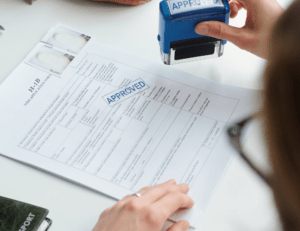 Once your H-1B petition is approved, you can get the visa stamped in your passport. If you are already in the United States, it is not required to get the stamp before working on your H-1B visa. However, if you are outside the U.S. or are planning to travel outside the U.S., then you’ll need a visa stamp.
 How long will my H-1B visa be valid?
 Whether you are outside or inside the U.S., the process of applying for an H-1B visa is the same.
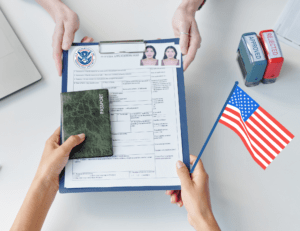 First, if the employer is subject to the numerical cap, then both the employer and foreign national must register with the United States Citizenship and Immigration Services (“USCIS”) to enter the lottery system because there are always more applicants than visas available. The registration is $10. The registration window is March 1
 What types of positions are typically specialty occupations?
 First, the position itself must meet the criteria to qualify as a specialty occupation. Second, the foreign individual must be qualified to perform the duties of the position, and documentation establishing both are required.
 When you go to a USCIS-approved doctor for the service of USCIS medical exam, remember that–for the purposes of the USCIS exam–the doctor works for the US government, not for you. Anything that you tell the doctor could be communicated to the US government. The doctor cannot violate medical ethics by communicating information about you to other parties aside from USCIS, but for the purpose of the exam, you are consenting to the doctor sharing all information with USCIS.